
Sustainability in construction is no longer just a buzzword or a passing trend. It’s a practical approach to planning, managing, and delivering projects, helping reduce environmental impact while improving efficiency and long-term value. For contractors, developers, and consultants, sustainability now influences everyday decisions, from material selection and energy use to waste management and regulatory compliance.
As environmental pressures increase, building regulations tighten, and clients place greater emphasis on responsible practices, sustainability has become a core part of modern construction. Industry bodies such as the UK Green Building Council continue to highlight the role the built environment plays in meeting national and global climate targets. Understanding how to apply it effectively is no longer optional; it’s essential to staying competitive.
We work closely with construction teams to turn sustainability goals into practical, achievable actions. As quantity surveyors in London, we combine sustainability knowledge with commercial expertise, embedding responsible practices into budgets, contracts, and site delivery so that ideas don’t just stay on paper but are delivered on site.
Why Sustainability In Construction Matters
Sustainable construction offers far more than environmental benefits. It helps protect project viability, control long-term costs, and safeguard reputations. Buildings designed and delivered sustainably tend to perform better over time, reduce operational risks, and create healthier environments for the people who use them.
For developers in particular, sustainability can also unlock access to funding. Investors and lenders are increasingly assessing environmental and social performance before supporting projects. At the same time, public sector frameworks and large private developments are introducing sustainability requirements into procurement. Contractors who can clearly demonstrate sustainable practices are therefore better placed to secure work.
We support teams in implementing sustainability in a practical and measurable way. Through our quantity surveying services in London, sustainability becomes part of how a project is delivered, rather than a box ticked at the end of the process.
- What Is Sustainable Construction?
- Why Is Sustainable Construction Important?
- How Can Construction Be More Sustainable?
- Sustainable Construction Examples
- Sustainable Construction Materials For Buildings
What Is Sustainable Construction?
Sustainable construction is about building with purpose. It goes beyond simply ticking environmental boxes; it’s about creating structures that last, use fewer resources, and provide healthier, more functional spaces for people and communities.
At its core, sustainable construction focuses on minimising environmental impact, using materials responsibly, reducing waste, lowering energy and water consumption, ensuring long-term durability, and supporting the health and well-being of occupants. Guidance from organisations such as the Building Research Establishment (BRE) underpins many of the principles used across the industry today.
This approach touches every stage of a project. From the initial design and procurement through to on-site practices and long-term operation, sustainable construction integrates thoughtful decision-making into the workflow.
Why Is Sustainable Construction Important?
The construction industry shapes the world we live in. The decisions made during design and on site have long-term consequences, from carbon emissions and energy use to waste and resource consumption. Sustainability is no longer a talking point; it’s a responsibility. When approached properly, it reduces environmental impact while still delivering long-term value.
Environmental Responsibility
Construction has a significant impact on carbon emissions and natural resources. Small, practical decisions can make a meaningful difference, including:
- Improving energy efficiency
- Using recycled or renewable materials
- Sourcing materials locally where possible
- Reducing waste through better planning
Approaches such as prefabrication and modular construction help limit landfill waste, while good site management protects local habitats and reduces disruption to surrounding communities.
Commercial and Financial Benefits
There is also a clear business case for building sustainably.
- Energy- and water-efficient buildings cost less to operate
- Durable materials reduce long-term maintenance costs
- Sustainable buildings often retain value better
- Projects aligned with environmental standards are more attractive to investors and funders
With regulations tightening and sustainability requirements increasing in procurement, projects designed with long-term environmental performance in mind are better positioned for the future.
Health, Social and Community Impact
Sustainability also improves the experience of the people who use and live around these buildings.
- Good ventilation and natural light create healthier spaces
- Low-emission materials improve indoor air quality
- Responsible site management builds community trust
- Sustainable buildings are often more resilient to extreme weather and energy challenges
By considering environmental, commercial, and social factors together, projects create lasting value beyond construction itself.

How Can Construction Be More Sustainable?
Making construction more sustainable requires a practical, structured approach. It’s not about one single solution, but a combination of decisions made at every stage of a project, from material selection and design through to procurement, site management, and long-term operation. When sustainability is considered early and embedded into planning, it becomes far easier to reduce environmental impact while maintaining commercial performance.
From early design and procurement through to on-site practices and long-term operation, sustainability should be built into decision-making rather than added at the end. Understanding how preliminaries factor into construction costs helps set realistic budgets from the outset, avoid unexpected expenses, and improve financial control. You can learn more about this in our guide, What Are Preliminaries In Construction?
Below are some of the key ways construction projects can become more sustainable.
Sustainable Materials
Material choice plays a major role in how sustainable a project really is. Using renewable or recycled materials such as timber, bamboo, hempcrete, or recycled steel helps reduce environmental impact without sacrificing strength or performance. Where possible, sourcing materials locally also reduces transport emissions. Choosing materials with low embodied energy, those that take less energy to produce and move, can further reduce a project’s overall carbon footprint.
Energy Efficiency and Renewable Energy
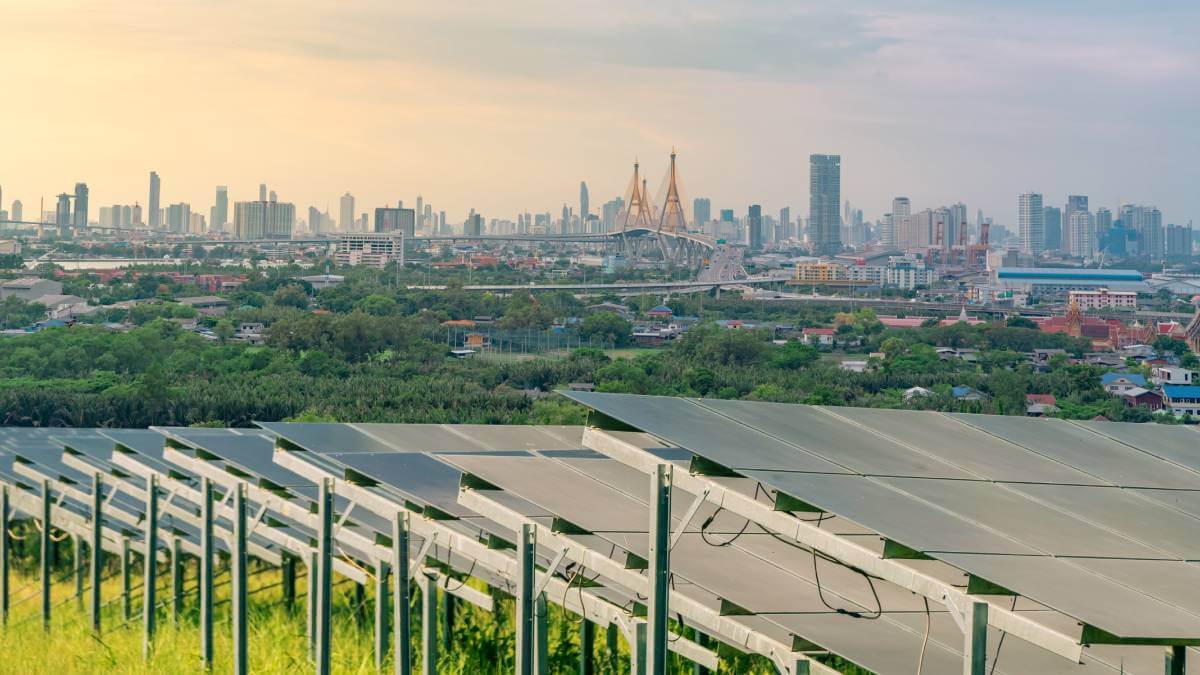
How a building uses energy day to day matters just as much as how it’s built. Good insulation, efficient glazing, and well-designed lighting or HVAC systems all help keep energy demand down. Adding on-site renewable energy, such as solar panels, wind power, or geothermal heating, can further reduce reliance on fossil fuels. Emissions can also be reduced during construction by using more efficient machinery and carefully planning site operations.
Waste Minimisation and the Circular Economy
Waste reduction is a big part of sustainable construction. Simple steps like properly planning materials, reusing what can be reused, and recycling wherever possible help keep waste out of landfills. Techniques such as prefabrication and modular construction are especially effective, as they improve accuracy, reduce off-cuts, and make better use of materials throughout the build.
Water Management
Water efficiency is another important consideration. Systems like rainwater harvesting and greywater recycling can supply water for non-drinking uses, while low-flow fixtures help reduce overall consumption. Over time, these measures don’t just conserve water; they also help lower running costs for building owners.
Green Design and Site Practices
Sustainability is also shaped by how a site is chosen and managed. Selecting locations that limit environmental disruption, along with features such as green roofs, native planting, and landscaped spaces, can support local biodiversity. Looking after people on site is just as important. Using low-VOC materials, managing noise, and maintaining safe working conditions help ensure construction activity benefits both workers and the surrounding community.
Independent certification standards, such as LEED, also help demonstrate that sustainability targets are being met in a transparent and measurable way.
Sustainable Processes
Sustainability works best when it’s built into everyday working practices. Training site teams helps everyone understand their role in reducing environmental impact, while smarter logistics and transport choices can further cut emissions.
Sustainable Construction Examples
Sustainable construction is about applying practical solutions in real-world projects. From material innovation to smarter delivery methods, there are many ways sustainability is being embedded into modern builds.
Low-Carbon and Renewable Materials
Many projects now use materials designed to reduce embodied carbon without compromising performance.
- Mass timber and cross-laminated timber (CLT) offer strong, renewable alternatives to concrete and steel while storing carbon over their lifetime
- Bamboo grows quickly and can be used structurally or for finishes
- Reclaimed timber, recycled steel, and crushed concrete reduce waste and limit the need for new raw materials
- Lower-carbon concrete mixes are helping reduce emissions in traditionally high-impact area
These materials demonstrate how sustainability can be integrated without sacrificing durability or structural integrity.
Sustainable Design in Practice
Sustainability goes beyond materials; it also influences how buildings are designed and experienced.
- Layouts that maximise natural light and airflow reduce heating and cooling demand
- Green roofs and living walls improve insulation and support biodiversity
- Passive design principles reduce long-term operational energy use
These decisions improve both environmental performance and occupant wellbeing.
Smarter Construction Methods
The way buildings are delivered can significantly affect their environmental impact.
- Off-site manufacturing and prefabrication improve accuracy and reduce material waste
- Modular construction shortens build programmes and limits disruption
- Refurbishing and repurposing existing buildings avoids unnecessary demolition
- Net-zero energy design reduces long-term carbon output
We support construction teams in embedding these approaches through our Sustainability & ESG Consulting services, helping turn sustainable strategies into measurable outcomes.
Common Sustainable Materials Used in Construction
When we talk about sustainable construction, materials are often where the biggest impact can be made. The products chosen at the start of a project influence everything from carbon emissions and energy performance to long-term durability and maintenance costs. The good news is that there are now more sustainable options available than ever before, materials that perform just as well as traditional alternatives, while placing far less strain on the environment.
Below are some of the most widely used sustainable materials in modern construction.
Bamboo
Bamboo grows exceptionally fast and offers impressive strength, making it a reliable and renewable alternative to traditional timber in many applications.
Hempcrete
Made from hemp shiv and lime, hempcrete is breathable, highly insulating, and durable. It also absorbs more carbon than it produces, giving it a carbon-negative profile.
Mass Timber and Cross-Laminated Timber (CLT)
These engineered timber products provide a strong, lightweight alternative to concrete and steel. As timber stores carbon throughout its life, mass timber structures can act as long-term carbon sinks.
Recycled Steel
Steel can be recycled repeatedly without losing strength. Using recycled steel significantly reduces the energy and emissions associated with new steel production.
Cork
Cork is harvested without damaging the tree and provides excellent insulation, resilience, and longevity, making it suitable for flooring, cladding, and insulation.
Recycled Plastic and Glass
These materials can be repurposed into insulation, bricks, and structural components, helping reduce landfill waste while giving discarded materials new life.
Delivering Sustainable Projects Successfully
Sustainable construction isn’t a box-ticking exercise anymore; it’s a core part of delivering a successful project. When sustainability is considered early on, from material choices to day-to-day site practices, it becomes much easier to reduce carbon, work more efficiently, and keep costs under control.
By working with our chartered quantity surveyors in London, our clients can ensure that sustainability is fully integrated into budgets, contracts, and day-to-day delivery. Whether you’re planning a new build or looking to improve sustainability on an existing project, Bhangals can help turn plans into measurable results. Contact us today to find out how we can support your next sustainable project.